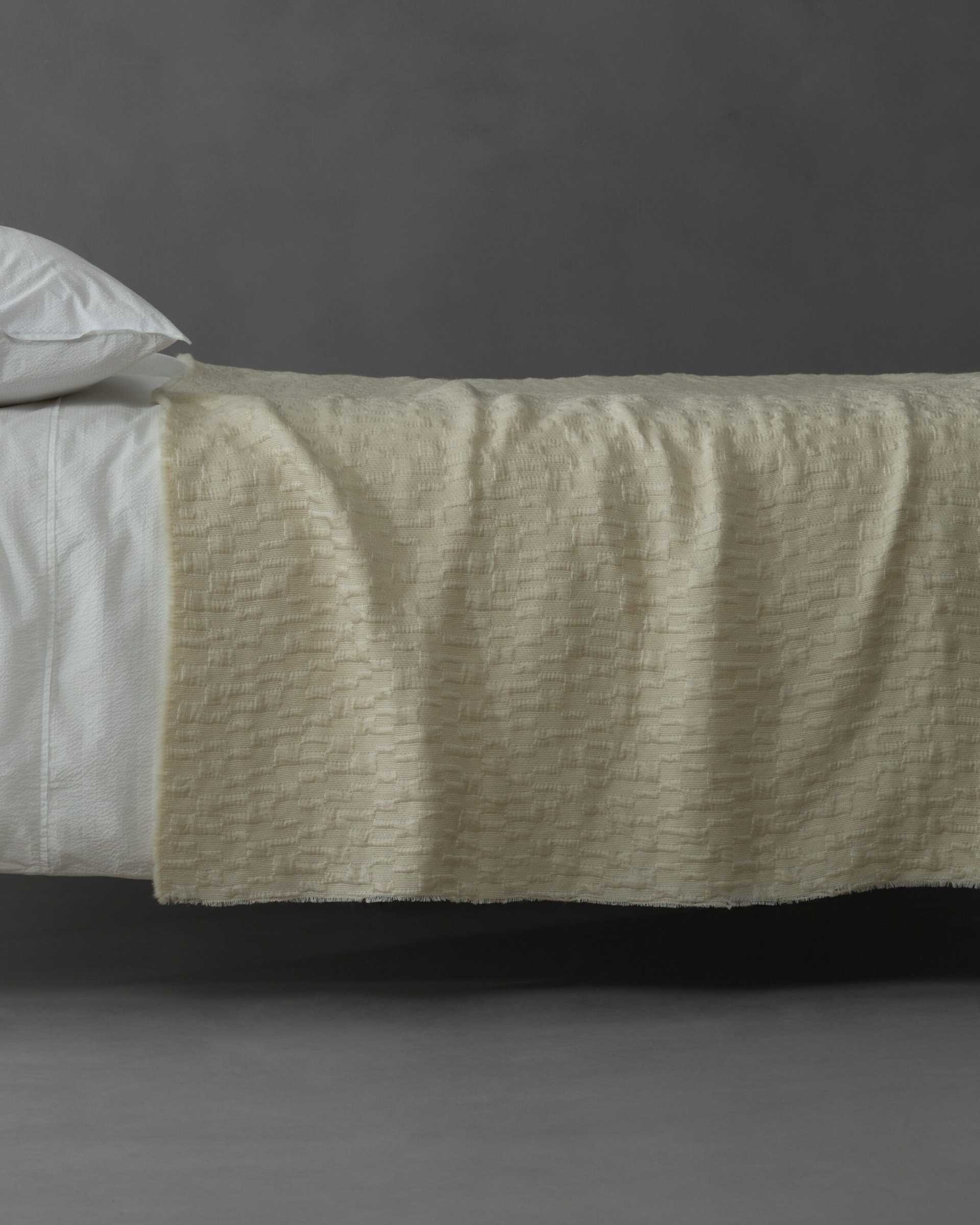
Bed covers are textile layers designed to protect bedding and give a bed a finished appearance. They help shield sheets, pillows, and other bedding from everyday dust and light contact, while adding warmth or a light covering according to fabric weight. Their size and drape affect how well they cover the mattress and bed frame.
When choosing a bed cover, consider dimensions, material, texture, weight, and care requirements. A well-proportioned cover can sit smoothly over sheets and coordinate with pillowcases, while breathable fabrics may feel more comfortable in warmer conditions. These practical details help a bed cover work alongside sheets and pillows as part of a functional bedding arrangement.
Tex Bedcover is one named option in this category. Its role is to provide an upper layer over the bed, helping keep underlying bedding covered between uses and contributing to a coordinated sleep-space appearance. Evaluating its dimensions, fabric feel, and maintenance instructions can clarify how it may fit into different bedding setups.
Layal Bedcover is another category option, serving as a covering layer for a made bed. Its usefulness depends on factors such as fit, texture, and how easily it can be cared for alongside other household textiles. Comparing these characteristics with the bed’s dimensions helps determine whether the cover suits everyday use or occasional layering.
Bed covers are distinct from sheets, pillows, memory foam pillows, and organic mattresses, although all can contribute to a comfortable bedroom. Sheets sit closest to the sleeper, pillows support the head and neck, and mattresses provide the sleep surface; a bed cover mainly protects and covers the outer bedding layers.
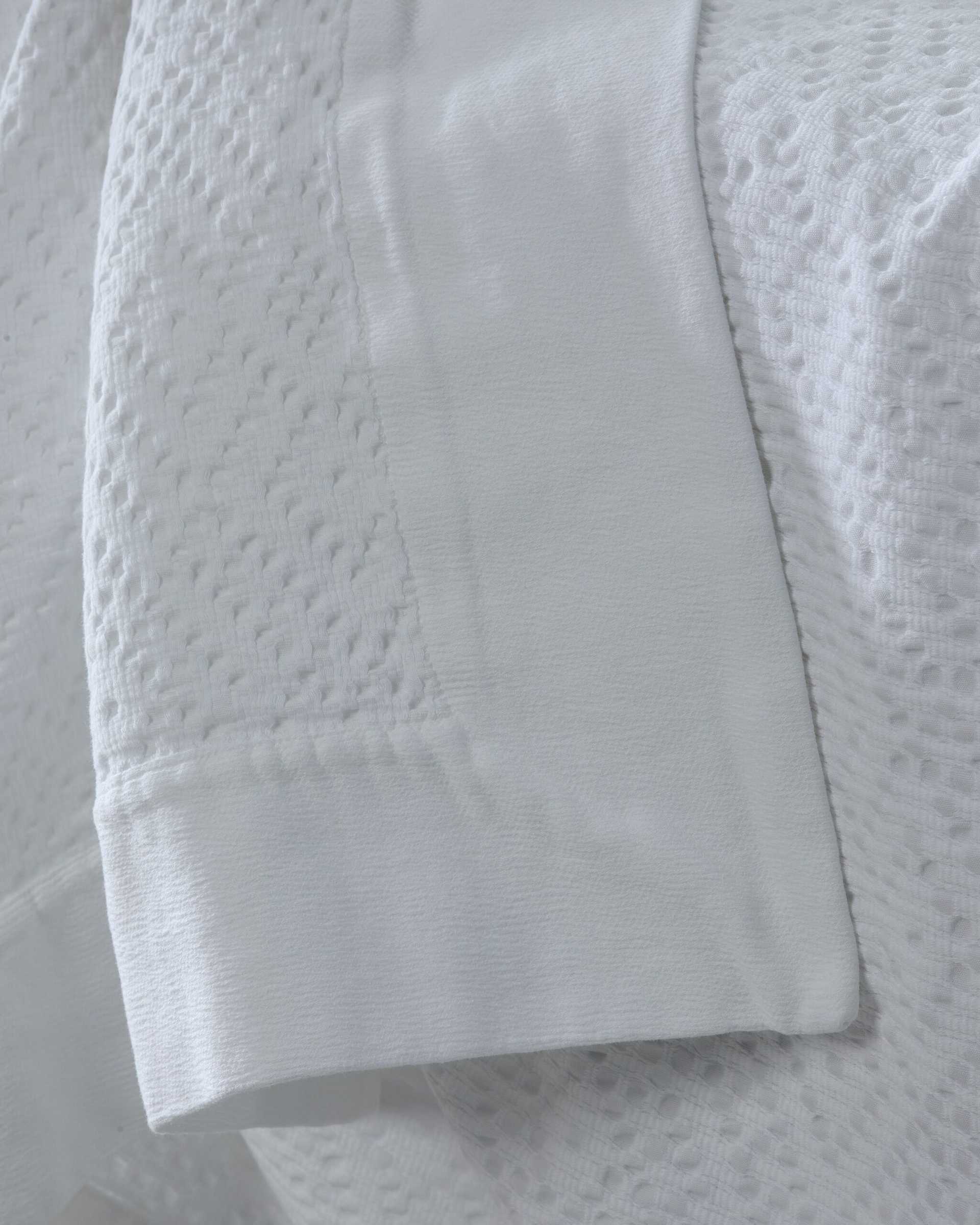 Bedding