Bedding · Mattress construction
Inside the Vispring Elite: How Mattress Construction Shapes Comfort
A mattress is a small landscape of materials, tension and air. What happens beneath the cover can influence how the body is supported, how readily the surface responds to movement and how warmth and moisture travel through the bed. The Vispring Elite offers a useful lens for understanding those connections—and for asking better questions about any premium mattress.
Published November 18, 2026
At first glance, a bed seems simple: a level surface, a soft covering and a place to rest. But a mattress is an engineered environment. Its springs, upholstery, stitching and outer fabric work together beneath the sleeper, shaping the subtle experience of settling in, turning over and waking. In a high-end mattress, comfort is rarely the result of one impressive material alone. It emerges from the way multiple components share the work.
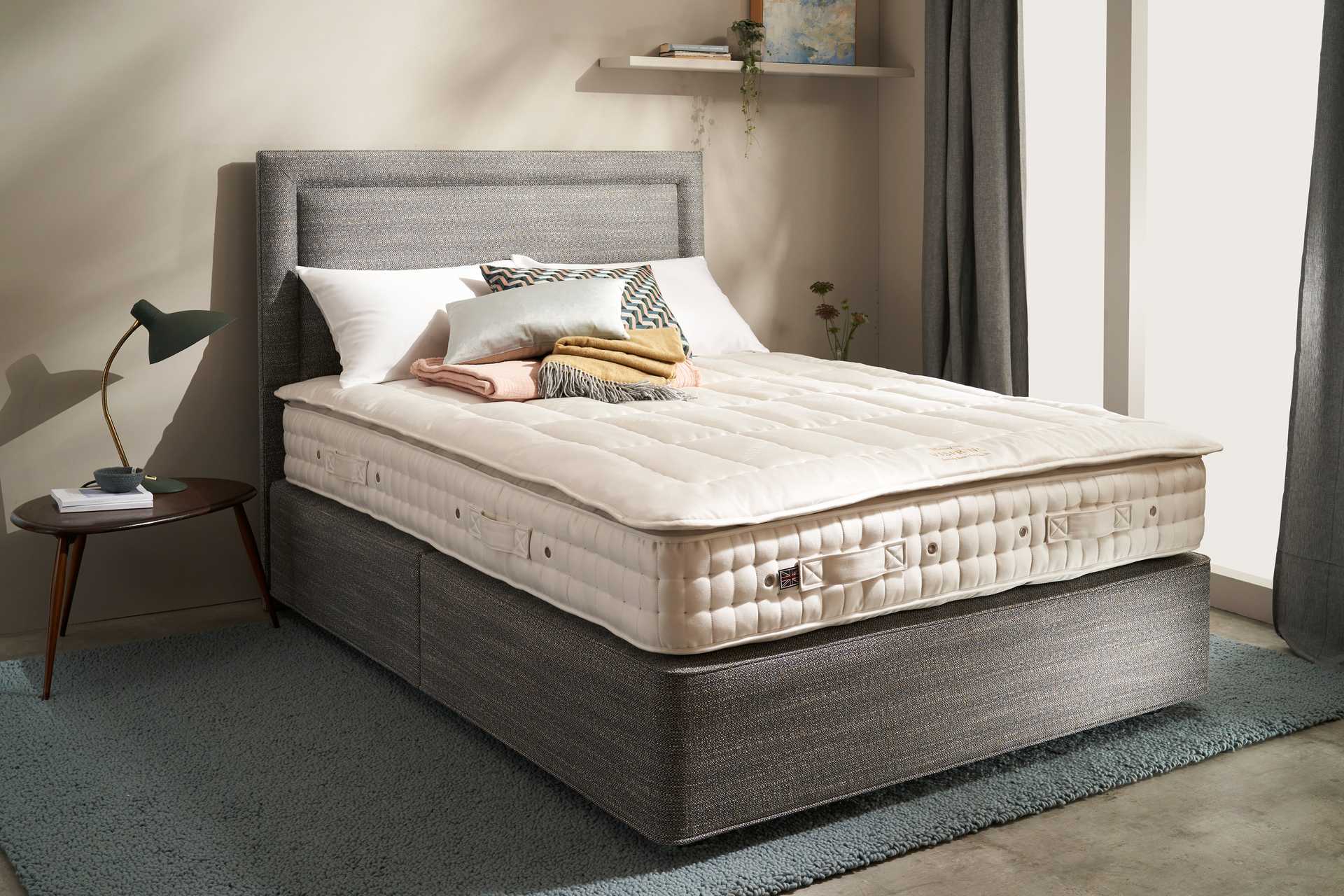
The Vispring Elite is a useful example for exploring this principle. Vispring is associated with pocket-spring mattresses and natural upholstery materials, but model specifications can vary by size, market, configuration and current production. Exact spring counts, material blends, mattress heights and comfort options should therefore be checked against the maker’s current specification for the particular version being considered. The broader lesson is more enduring: construction details are clues to how a mattress may feel, not guarantees that it will suit every body or bedroom.
Comfort begins below the surface
When a person lies down, the mattress receives force unevenly. The shoulders, hips and torso create different pressure patterns; sleeping position changes where that pressure falls. A well-considered construction responds to these differences by compressing where needed while offering enough resistance elsewhere. The aim is not to make the entire bed uniformly soft or uniformly firm. It is to create a surface that feels comfortable while helping the sleeper maintain a relaxed, supported position.
That response is shaped by layers with distinct jobs. Springs can provide the principal support and a degree of resilience. Upholstery above them can soften the first contact, distribute pressure and influence how quickly the bed responds. A quilted cover adds another part of the tactile experience. The precise balance varies by design, which is why the word “luxury” does not by itself reveal whether a mattress will feel yielding, buoyant, close-fitting or firm.
For the Vispring Elite, as with any mattress under consideration, the most useful approach is to look beyond the name and ask how its components are arranged. What is the spring system? What materials sit above it? How is the mattress assembled and finished? Is there a choice of comfort feel? The answers help translate a product description into a more meaningful picture of the bed’s potential behavior.
Pocket springs: individual movement, shared support
In a pocket-spring system, springs are housed in separate fabric pockets rather than joined into a single interconnected unit. Each spring can respond to pressure in its immediate area, though its behavior is influenced by the neighboring springs, the mattress upholstery and the foundation beneath the bed. This arrangement is often valued for its ability to provide localized movement rather than transmitting every shift across the whole surface.
That distinction matters most when two people share a bed. If one sleeper changes position, the degree to which the movement is felt on the other side depends on the complete construction—not just the presence of pocket springs. Spring tension, spacing, upholstery layers, mattress size and the bed base all contribute. The phrase “motion isolation” should therefore be treated as a performance question to assess in person, rather than a result that can be inferred from a single component.
Spring systems also contribute to the sensation of responsiveness. A responsive surface tends to return energy as the sleeper moves, rather than feeling slow or deeply enveloping. Some people appreciate that buoyant quality because it can make changing position feel easier. Others prefer a closer contour or a more settled sensation. Neither preference is inherently superior; the important point is to notice how the mattress behaves under the body in the positions used most often.
Spring count is another specification that can attract attention. It may be useful when comparing closely related models, but it does not independently establish comfort or quality. Counts can be reported for different mattress sizes or for distinct layers, and a greater number does not automatically mean better support. Spring design, wire characteristics, upholstery, construction and fit with the sleeper all matter. For an exact comparison, check how a stated count is defined and which size it refers to.
Natural upholstery and the feel of the bed
Above the spring unit, upholstery materials influence how the mattress feels at first contact and how it changes under sustained pressure. Wool and cotton are commonly used in premium bedding, while some constructions may also include other natural fibers. Each fiber has its own structure and behavior, but the finished experience depends on more than a material name: quantity, placement, layering and compression all play a part.
Wool is often valued for its ability to absorb and release moisture and for the springy character of its fibers. Cotton is familiar for its soft, breathable feel and its use in both upholstery and textile coverings. These properties can contribute to a comfortable sleep environment, but they do not mean that a mattress can control room temperature or prevent every sleeper from feeling warm. Bedroom climate, sleepwear, bedding layers, personal physiology and the mattress as a whole all affect thermal comfort.
Layer arrangement changes the way these materials are experienced. A soft upper layer may create a more cushioned first impression; a denser or more resilient layer can contribute a firmer, steadier feel. The transition between upholstery and springs also matters. If the layers work together smoothly, a sleeper may experience a coherent surface rather than a pronounced separation between plushness and support.
Descriptions of natural materials can sound reassuring, but they should be read precisely. “Natural” does not automatically mean hypoallergenic, chemical-free, maintenance-free or suitable for every person. People with sensitivities should review full material and care information and, when necessary, consult a qualified health professional. Product claims about composition, sourcing or certifications are best checked against current documentation for the specific mattress.
Why the top panel and finishing matter
The cover is the part of a mattress that meets the sheet, but it is more than decoration. Its fabric, quilting and construction influence surface texture and the way the upholstery beneath it is held in place. A tightly finished mattress may have a different initial feel from one with a more cushioned quilt. Over time, the cover and the layers beneath it also experience repeated compression, so craftsmanship and care contribute to how the bed ages.
Hand-tufting, where used, is a traditional method for securing layers through the mattress. It can help limit excessive movement of upholstery materials and maintain the intended shape of the construction. Side-stitching and other finishing details may also be signs of particular manufacturing methods. They are worth understanding, but appearance alone cannot predict how comfortable a mattress will feel after a full night’s sleep.
Because model specifications change, do not assume that a familiar product name means every detail has remained identical across years or regions. A current product sheet can clarify materials, finish, height, available feels and care guidance. If the exact construction is not listed, ask the retailer or manufacturer to confirm it in writing. This is especially useful when comparing mattresses that use similar words—such as “wool,” “pocket spring” or “handcrafted”—but apply them in different ways.
Support is a relationship, not a label
Firmness is commonly presented as a simple scale, yet the sensation of firmness is personal. Body shape, weight distribution, sleep position and habitual movement all influence how a mattress feels. A mattress described as medium may feel different to two people, or even to the same person after changing from back sleeping to side sleeping. The support a sleeper experiences also depends on the bed base and on the layers placed on top.
For side sleepers, the shoulder and hip often press more deeply into the surface. If the top layers do not allow enough accommodation, pressure may become noticeable. Back sleepers may pay closer attention to how the mattress supports the lower back and pelvis. Stomach sleepers may prefer a surface that limits excessive sinking through the middle of the body. These are useful starting points, not rules that can diagnose an individual’s needs.
When trying the Vispring Elite or another mattress, spend enough time in the positions you actually use. Notice whether the surface feels welcoming without allowing uncomfortable sinking. Check how easily you can roll over, and whether you feel pressure building at contact points. If sharing the bed, test it together: one person can move while the other notices how much disturbance travels across the surface. A brief showroom test cannot reproduce a whole night, but a deliberate one is more informative than a few seconds of sitting on the edge.
People with persistent pain, numbness, sleep disruption or other health concerns should not rely on mattress descriptions as medical advice. A mattress can influence comfort, but it is not a treatment for an underlying condition. Persistent symptoms merit discussion with an appropriate health professional.
The foundation beneath the mattress
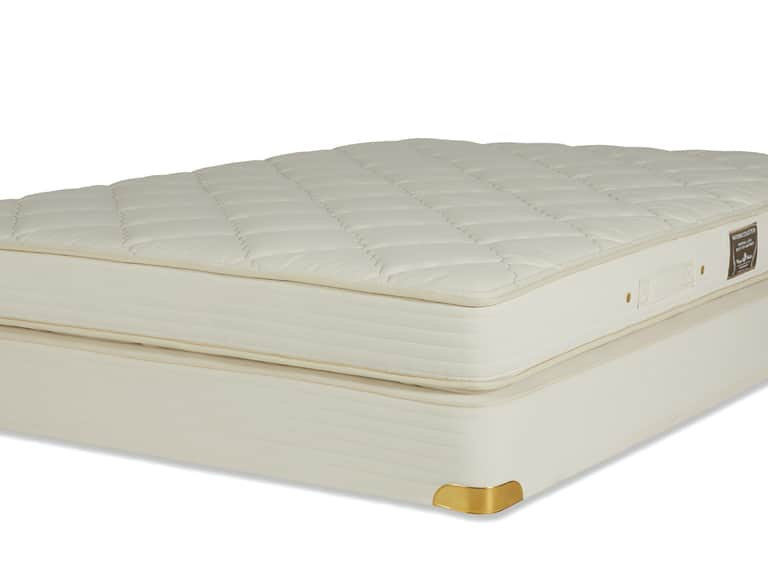
A mattress does not perform in isolation. Its base can affect stability, feel and long-term wear. A compatible, level foundation provides the support intended by the mattress design; an unsuitable or damaged base may allow sagging or uneven pressure. Slat spacing, center support, frame condition and the manufacturer’s requirements are practical details to check before installation.
Bed bases can also change the sensation of a mattress. A rigid platform may feel different from a foundation with more give, even when the mattress itself is unchanged. Adjustable bases introduce additional compatibility questions: not every mattress is designed to flex in the same way. Confirm the maker’s guidance rather than assuming that a premium mattress will suit every frame.
Room conditions matter, too. Adequate ventilation around the bed and a dry, well-maintained sleep space help support general bedding hygiene. A mattress protector may help shield the surface from spills, perspiration and everyday wear, but it can also alter the hand feel or warmth of the bed. Choose one compatible with the mattress and follow care instructions for both items.
Temperature, airflow and the sleep environment
Airflow is often discussed as though it were a single feature, but it is the result of interacting parts. The spaces within a spring structure may permit air movement, while upholstery, quilting, protectors, sheets and duvets influence what happens at the surface. A breathable material can assist moisture management, but the entire sleep system determines whether a person feels cool, neutral or warm.
In a carefully planned bedroom, the mattress is one element in a larger arrangement. Lightweight, breathable sheets may suit someone who tends to overheat; a warmer duvet may be more comfortable in a cooler room. Seasonal changes, humidity and individual preference all make a difference. Instead of expecting one mattress to solve every temperature issue, consider how layers can be adjusted and whether the bedroom itself has suitable ventilation.
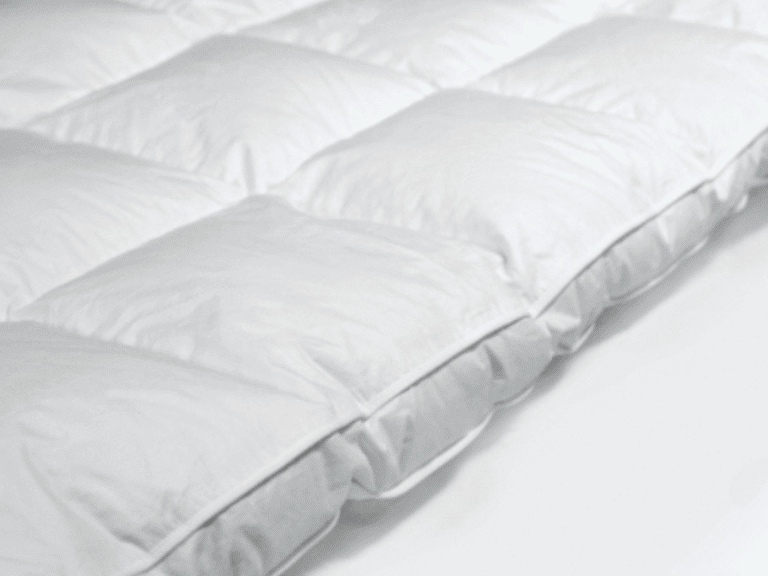
A mattress topper can add another layer of cushioning and alter the surface sensation. That may be useful when a sleeper wants a modest change in feel, but it cannot correct a foundation problem or guarantee that a mattress will suit an individual. For a related example, the Vispring Heaven Luxury Mattress Topper is described as a cotton-and-British-wool layer, approximately 2.8 inches high. Its specifications and care details should be reviewed before considering how it might work with a particular mattress.
Care, lifespan and thoughtful ownership
Good mattress care begins with the instructions for the exact model. Rotate or turn the mattress only as directed; some designs are intended to be rotated rather than flipped, while others may have different requirements. Regular rotation, where recommended, can help distribute wear. A mattress should not be bent, folded or exposed to moisture unless the manufacturer specifically permits it.
Use a suitable bed frame and check that its central supports and slats remain secure. Keep the sleep surface clean with a compatible protector, and avoid aggressive spot treatments that could damage fabric or upholstery. If a spill occurs, follow the maker’s cleaning advice and allow the area to dry fully. For mattresses containing natural fibers, heat and dampness may require particular caution.
Longevity is influenced by construction, use, care, body weight, ventilation and the condition of the foundation. A premium price or handcrafted description does not guarantee an exact service life. Instead, monitor changes in comfort and support, inspect the frame and bedding, and consult warranty terms for coverage and exclusions. A warranty is not necessarily a promise that a mattress will feel unchanged indefinitely.
A practical way to evaluate the Vispring Elite
Before deciding whether the Vispring Elite belongs in a particular bedroom, build a clear picture of the complete setup. Start with current specifications for the exact size and configuration, then compare the mattress against personal preferences and the bed base. The following questions can make that process more focused:
- What is confirmed about the construction? Check spring type, upholstery materials, finish, height and any available comfort choices.
- How does it feel in real sleeping positions? Test the surface while lying down, rather than judging it only by sitting or pressing a hand into the cover.
- Does the response suit the sleeper? Pay attention to pressure points, ease of movement and whether the support feels balanced.
- Is the base compatible? Verify frame condition, support requirements and any limitations on adjustable bases.
- How will the whole bed manage warmth? Consider the room, protector, sheets, duvet and personal sleep habits alongside the mattress.
- What are the care and warranty terms? Read current instructions and clarify what is covered before purchase.
These questions do not reduce comfort to a checklist. They create a framework for noticing what matters, especially when a mattress is presented through polished language that can blur distinctions between materials, construction and sensation.
The quiet architecture of sleep
The Vispring Elite illustrates how mattress construction can shape the experience of rest without making any single component the whole story. Springs influence support and response; upholstery affects cushioning and surface feel; quilting and finishing hold the structure together; and the foundation, bedding and room complete the environment. The effect is cumulative, and it is personal.
For a design-conscious bedroom, the most useful definition of luxury may be coherence: materials selected for a purpose, a surface that feels right to the sleeper, a base that supports the mattress as intended, and care practices that preserve the investment. A mattress name can begin the inquiry. The details beneath it—and the experience of lying down—are what bring the answer into focus.