Introduction: The Language of Luxury Textiles
In the quiet, candle-lit hours of a finely appointed bedroom, textiles speak before words are spoken. The feel of a sheet against the skin, the way a pillow loft holds the head, and the subtle drape of a duvet—these are the tactile conversations that define an environment meant for rest and renewal. Luxury bedding rests on a simple truth: the material you choose shapes comfort, regulates temperature, and endures through countless nights. Among the most revered fibers in contemporary design are Giza 45 Egyptian cotton, percale and sateen weaves, and natural wool blends that wrap around pillows and toppers with exacting warmth and breathability.
This guide unfolds like a field notebook for designers and homeowners alike, tracing the lineage of these materials from ancient spinning traditions to modern textile engineering. We’ll examine the science behind comfort, the aesthetic versatility of fabrics, and the care rituals that sustain loft, sheen, and integrity. Along the way, we’ll meet three thoughtful voices—from different epochs—whose observations on fabric, form, and function illuminate how we inhabit sleep spaces with intention.
Material Spotlight: Giza 45 Egyptian Cotton
Giza 45 Egyptian cotton is celebrated for long, fine staple fibers that translate into a hand that feels both silky and substantial. Grown along the Nile, this cotton is hand-picked and combed to align fibers before spinning, producing a yarn with exceptional strength and a natural luster. When woven into high-thread-count percale or sateen, Giza 45 yields sheets and pillowcases with:
- Exceptional softness combined with durability
- Temperature regulation that adapts across seasons
- Resistance to pilling and fading with proper care
Percale weaves, with a crisp hand and cool feel, suit warmer climates or sleepers who appreciate a refreshing surface. Sateen weaves, by contrast, offer a smoother, more luminous drape and a warmer touch—ideal for cooler environments or those who crave enveloping luxury. In either weave, the quality of Giza 45 emerges most clearly in long-term performance: color retention, edge stability, and the sensation of a fabric that becomes more nuanced with every wash.
In the context of a luxury bed environment, Giza 45 sheets often pair with a well-chosen duvet and pillow arrangements to create a cohesive sensory experience: a breathable base layer, a cooling or warming mid-layer, and a soft, inviting top layer. The result is a sleep surface that remains reliable across the rhythms of daily life.
Natural Wool Wraps and Wool-Blend Pillows
Natural wool wraps around pillow cores and toppers bring a different spectrum of benefits. Wool’s innate humidity management helps regulate microclimates without relying on synthetic treatments. A wool-wrapped latex pillow, for instance, combines the responsive lift of latex with a breathable wool cover, yielding:
- Enhanced contouring support with temperature moderation
- Moisture transport away from the skin to reduce clamminess
- Durability and resilience that maintain loft through nightly use
Beyond pillows, wool can lend its warmth to toppers or mattress layers, creating a natural, breathable buffer that keeps heat from pooling in the core of the bed. Wool’s performance is most evident in transitional seasons, when bedrooms swing between cool mornings and warmer evenings. When paired with Egyptian cotton toppers or cribbed quilted layers, wool can anchor a calm, even climate that supports deeper sleep cycles.
Natural Latex and the Case for Pure Comfort
Natural latex, often from hevea milk, provides buoyant support that responds to body pressure without sacrificing consistency. When wrapped with wool or cotton, latex loft can be tuned to the sleeper’s preference for firmness or plushness. In many luxury bed configurations, a latex core is wrapped with wool or cotton fabrics to balance temperature regulation with responsive, long-lasting support. The combination is particularly appealing to those who change sleep positions through the night—that gentle bounce helps minimize partner disturbance while preserving spinal alignment.
In premium bedding ecosystems, latex blends are often paired with high-thread-count cottons such as Egyptian or Giza 45 to achieve a harmonious interaction between surface feel and support. The goal is a sleep surface that feels both soft and supportive—an equilibrium that encourages the body to settle and the mind to release tension.
Care and Longevity: Preserving Loft, Sheen, and Structure
High-end fabrics require thoughtful care to preserve their distinctive attributes over time. The most durable sheets and pillow fabrics often benefit from:
- Washing at moderate temperatures, avoiding hot cycles that can degrade fibers
- Minimal use of harsh detergents and bleach that may compromise softness
- Airing and line-drying or low-heat tumble drying to maintain fabric integrity
- Avoiding over-drying, which can diminish loft and sheen
When properly cared for, Giza 45 sheets and wool-wrapped pillows can maintain their luxurious hand and thermal performance for years, even as styles evolve around them. The longevity of these materials is not merely a practical matter but a testament to the craft of textile manufacturership—the art of turning natural fibers into enduring sleep surfaces.
An Editorial-Itinerary: The Designers, Historians, and Scientists Behind the Textiles
To illuminate how luxury bedding materials have evolved, this article invites three figures from different eras who, in their own ways, shaped our understanding of fabric, comfort, and the spaces we inhabit.
-
3rd Century BCE — The Weavers of Byblos:
In the ancient Mediterranean, textile artisans refined fiber preparation, loom technique, and dyeing processes that underpinned durable, comfortable fabrics. Though their era predates modern cotton, their emphasis on fiber quality and weaving precision established a lineage of craftsmanship that informs contemporary appreciation for sheet sets and pillow textiles. Their work reminds us that luxury begins with a disciplined respect for the raw material.
-
17th Century Europe — The Birth of Industrial-Grade Cotton Processing:
The emergence of machine-powered spinning and weaving transformed cotton into accessible luxury. This period marks a shift from handloom to mass production without sacrificing the perception of high-value textiles. The legacy is a modern consumer expectation: sheets that balance softness, strength, and colorfastness across repeated washings, such as the Giza 45 fibers we cherish today.
-
20th Century to Present — Sleep Science and Textile Innovation:
In the last century, researchers and manufacturers have collaborated to refine fiber blends, weaves, and finishing processes that affect breathability, moisture management, and temperature regulation. The integration of wool, latex, and premium cotton into cohesive sleep systems reflects a modern sensibility: comfort that is both scientifically informed and aesthetically considered.
Product Spotlight: Vispring Opulence Mattress
While bedding materials are the interface between body and bed, the foundation beneath—mattress architecture—shapes how those textiles perform in nightly life. The Vispring Opulence Mattress is a landmark in luxury sleep surfaces, weaving together multiple natural fibers with a sophisticated spring system. Its four-fiber layering—cashmere, alpaca, bamboo, and mulberry silk—creates a surface that is simultaneously soft and thermally precise, a crucial partner to premium sheets and toppers.
Key features:
- Three-layer hand-nested calico pocket spring system with thousands of independently responding springs
- Natural fillings including real Shetland wool and Austrian horsetail for resilience and breathability
- Hand-tufted detailing and edge-stitching to maintain perimeter support
Vispring Opulence Mattress (example product)
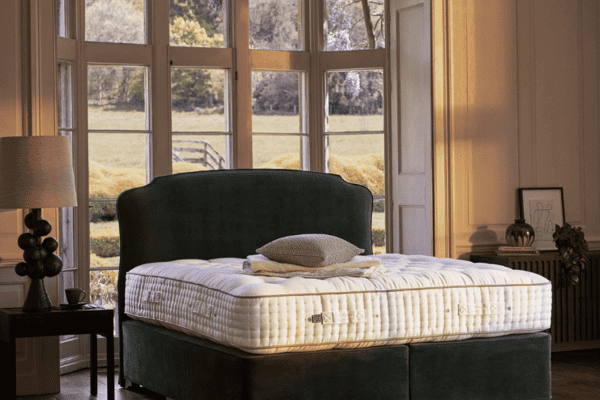
The Opulence reads the language of luxury across the sleep surface, echoing the quiet richness of premium bedding materials. It is a reminder that the most immersive bedroom experiences arise from a careful orchestration of texture, temperature, and structure—where every fiber, every seam, and every spring serves a purpose in the choreography of rest.
The Designer’s Toolkit: Practical Guides for Selecting Luxury Materials
With a discerning eye for textiles and a commitment to longevity, designers and homeowners can approach luxury bedding with a method that balances tactile pleasure with practical care. Below is a concise toolkit to help you translate the theory of Giza 45, Egyptian cotton, and natural wool into a curated, long-lasting sleep environment.
- Define climate and seasonality: Choose Giza 45 sheets in percale for a crisp, cool feel in warm months and switch to sateen for a softer, warmer touch in cooler seasons.
- Assess sleep position needs: Memory or latex cores benefit from pillow fabric choices (cotton, wool, and blends) that regulate temperature and maintain contour support without overheating.
- Pair textiles with structure: Align top-of-bed fabrics with mattress and topper construction. A wool-wrapped pillow pairs well with breathable cotton and a latex layer for balanced support.
- Invest in care rituals: Follow manufacturer guidelines for washing, drying, and storage to preserve loft and sheen. For UK/European climates, avoid excessive heat and sun exposure that can degrade fibers.
- Test and refine: Allow a few weeks for a new textile configuration to acclimate. Small adjustments to weave choice or fiber blends can yield noticeable differences in temperature regulation and comfort.
Conclusion: The Quiet Luxury of Thoughtful Materials
In the end, luxury bedding materials are not merely about indulgence; they are about translating craft into daily life. Giza 45 Egyptian cotton offers a timeless foundation—soft, strong, and luminous. Natural wool brings climate intelligence and resilience, while latex blends provide responsive support. When curated with care, these fibers coalesce into a sleep environment that feels inevitable, the kind of sanctuary that invites you to linger in the morning and dream with intention at night.